Next semester, you should include this movie on your list. Or The Joy Luck Club (Amy Tan :)
SAVING FACE
In Manhattan, the brilliant Chinese-American lesbian surgeon Wil is surprised by the arrival of her forty-eight years old widow mother to her apartment. Ma was banished from Flushing, Queens, when her father discovered that she was pregnant. The presence of Ma affects the personal life of Wil, who is in love with the daughter of her boss in the hospital, the dancer Vivian Shing. Once her grandfather has promised that her mother would only return to Flushing remarried or proving that it was an immaculate conception, Wil tries to find a bachelor Chinese to marry Ma.
lunes, 29 de septiembre de 2008
Saving Face


Sesión 7
Hoy llegué tarde a clase. Y me di cuenta de que eso de sacar copias genera una gran confusión.
Hablamos sobre algunas cosas que ya había comentado antes en mi blog: la idea de cultura y además si la guerra es o no una práctica innata y universal.
Comentamos que la cultura es una idea (valores, etc.) pero también puede ser materia (intercambio). Hablamos sobre la diferencia entre universalismo y pluralismo.
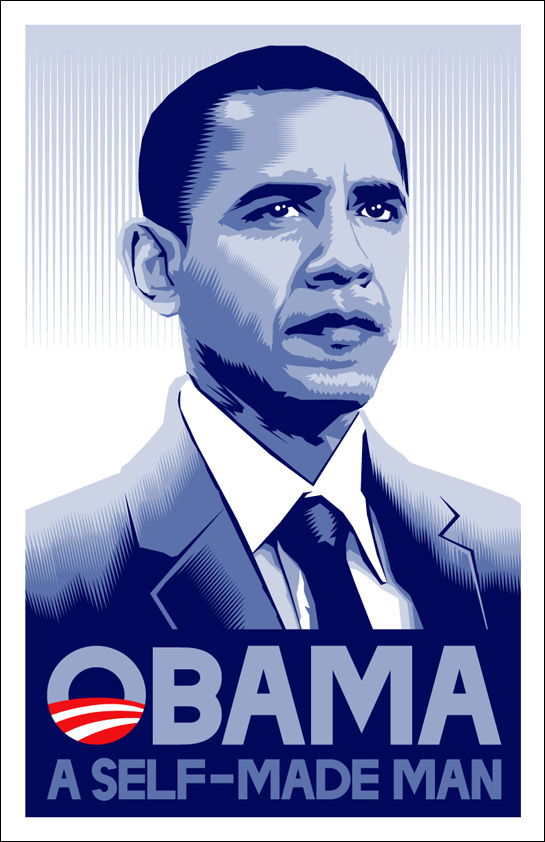
Después de una breve exposición sobre la guerra como recurso universal (sobre lo cual previamente había establecido mi postura y no cambia), se expuso sobre las relaciones de EU con el mundo. Cómo llega Inglaterra al país, la construcción de un sistema y la idea del self made man.
también comentaron sobre la extraña ideología gringa y su relación EU-DIOS. Que mucho me recuerda a los 10 mandamientos que comentamos en una clase anterior. El estilo de vida de los estadounidenses va orientado a esta idea de tener éxito y hacerla en grande (o sea, tener dinero). Lejos quedan las ideas de NO ganar mucho dinero y hacer "algo" porque de verdad te gusta y no por lo que puedas obtener a cambio. Tristemente, esta idea del éxito es la ideología dominante en otras culturas también.
De acuerdo a lo leído y comentado en clase, la cultura política se divide en valores políticos, actitudes políticas y conductas (que varían de región en región, por ejemplo, en Latinoamérica factores como la conquista, rebeldía, etc. influyen en el desarrollo de la cultura política).
Comentamos un poco más sobre estos temas y finalmente nos pusimos de acuerdo para la próxima semana y temas futuros.



sábado, 20 de septiembre de 2008
Ejemplos
Costumbres distintas, la dificultad de la comunicación verbal y el uso de la comunicación no verbal.
Verbal and Nonverbal communication
The basis of communication is the interaction between people. Verbal communication is one way for people to communicate face-to-face. Some of the key components of verbal communication are sound, words, speaking, and language.
At birth, most people have vocal cords, which produce sounds. As a child grows it learns how to form these sounds into words. Some words may be imitative of natural sounds, but others may come from expressions of emotion, such as laughter or crying. Words alone have no meaning. Only people can put meaning into words. As meaning is assigned to words, language develops, which leads to the development of speaking.
The actual origin of language is subject to considerable speculation. Some theorists believe it is an outgrowth of group activities such as working together or dancing. Others believe that language developed from basic sounds and gestures.
Over 3,000 languages and major dialects are spoken in the world today. The development of languages reflects class, gender, profession, age group, and other social factors. The huge variety of languages usually creates difficulties between different languages, but even within a single language there can be many problems in understanding.
Más-..
Nonverbal..
GETTING STARTED: To learn more about nonverbal communication, including a chance to test your ability to read real samples, click on any of the following titles. Each title takes you to a different topic in nonverbal communication. You can also ask to see a description and reviews of each videotape.
Personal Space:
Exploring Human Proxemics
The Human Body:
Appearance, Shape, and Self-Image
A World of Differences:
Understanding Cross-Cultural Communication
The Human Face:
Emotions, Identities and Masks
The Human Voice:
Exploring Vocal Paralanguage
A World of Gestures:
Culture and Nonverbal Communication
The Interpersonal Perception Task (IPT)
and the IPT-15
The films below are also available; See How To Order
A World of Food:
Tastes and Taboos in Different Cultures
Gender and Communication:
Differences in Language and Nonverbal Behavior
Gender and Relationships:
Male-Female Differences in Love and Marriage
Más...
viernes, 19 de septiembre de 2008
Noticias
Editorial
Immigration Deception
Published: September 19, 2008
Immigration is a complicated and combustible issue but that is no excuse for the presidential candidates to ignore or lie about it to voters.
Más...
miércoles, 17 de septiembre de 2008
Sesión 6
Después de unos cuatro días de mini vacaciones y mucho tiempo para hacer cosas poco útiles (con la falsa promesa de trabajar, en la tesis por ejemplo), regresamos a clases para continuar todo más o menos en donde nos quedamos.
Hoy un compañero de la clase (cuyo nombre no recuerdo) nos presentó una plática que él recibió antes de ir a vivir un tiempo a Alemania. El objetivo era estar más conciente de cómo nuestros propios horizontes culturales pueden llevarnos a calificar (e inclusive descalificar) a otra cultura sin realmente entender por qué.
No sabemos a veces qué es lo que pasa con las otras personas, nos ofendemos o admiramos su cultura sin conocer lo que hay de fondo.
Algo que me pareció muy interesante fue la pirámide que nos mostró, en la que venían separados el nivel que era universal, en el que venían cosas como el instinto, que es algo que todos compartimos. Luego viene la parte cultural, que compartimos con algunas personas y sí pueden definir parte de como somos. Y finalmente la personalidad, en la que vienen factores que sí controlamos y somos responsables enteramente de ello.
Los ejemplos que usaron me parecían muy buenos, como el del ing. mexicano que se va a Alemania y cuando a él y a su esposa los invitan a cenar, ella lleva un pastel y no era necesario. Es chistoso como nos podemos ofender fácilmente al no saber/recordar, que hay aspectos culturales que hacen de conocer a alguien de otro país más divertido.
Me sentí identificada con algunas de las características policromáticas que vimos, pero creo que no en todo. Por ejemplo, yo soy más ordenada y me gusta estructurar las cosas.
sábado, 13 de septiembre de 2008


Is war a cultural universal?
¿Existen realmente los instintos? Hay quienes se niegan a creerlo. Hay quienes creen que la acukturación es tan fuerte, que la agresividad no existe como instinto. Prefieren utilizar eufemismos y no reconocer la existencia de los instintos. Se apoyan en lo "socialmente construido". Se creen que los debates teóricos son la solución.
Yo creo que el debate es necesario, que como muchas cosas, no podemos explicar e intentar llenar categorias que satisfagan nuestras necesidades de razonamiento. Creo que como en muchas cosas, los seres humanos a veces funcionamos por mero isntinto. Que existe la agresividad como instinto, pero no la justificación de la violencia. Creo que es necesario discutir este tipo de temas, pero no creo que nos lleven a una decisión con la que todos estemos de acuerdo.
Creo que el tema de la guerra, como bien se señala en el texto, tiene una agencia como tal: tiene una intención. Nosotros usamos a la guerra?, ella nos usa?, dimensiones como la económica, poder, milicia, son tomadas en cuenta para entender el fenómeno de la guerra. Si bien no podríamos pensar en esta como una solución, si podríamos pensar que por años ha ayudado a resolver disputas. Y yo no podría de ninguna manera justificar la guerra; representa la muerte concientizada de miles. Sin embargo, puedo entender la agresividad como un instinto que debe ser controlado. No creo que podamos negar que aunque mucho de lo que somos lo hemos construido a través de lo que aprendemos, también somos una parte de instintos y naturaleza.
Nuestro libro
Certain aspects of the culture war have ancient roots. One of the central points of disagreement regards the existence of a universal moral law. Political philosophers have been arguing about this for three hundred years. The ideas at stake are ancient.
First, I shall point out some of the ancient and early modern roots of the old argument. Subsequently, I shall discuss the rise of the American consensus. Then I shall consider how the debate has changed and the wells of reason have been poisoned as we moved out of the Modern era and into the Postmodern era.
Más...
War should be understood as an actual, intentional and widespread armed conflict between political communities. Thus, fisticuffs between individual persons do not count as a war, nor does a gang fight, nor does a feud on the order of the Hatfields versus the McCoys. War is a phenomenon which occurs only between political communities, defined as those entities which either are states or intend to become states (in order to allow for civil war). Classical war is international war, a war between different states, like the two World Wars. But just as frequent is war within a state between rival groups or communities, like the American Civil War. Certain political pressure groups, like terrorist organizations, might also be considered “political communities,” in that they are associations of people with a political purpose and, indeed, many of them aspire to statehood or to influence the development of statehood in certain lands.
What's statehood? Most people follow Max Weber's distinction between nation and state. A nation is a group which thinks of itself as “a people,” usually because they share many things in common, such as ethnicity, language, culture, historical experience, a set of ideals and values, habitat, cuisine, fashion and so on. The state, by contrast, refers much more narrowly to the machinery of government which organizes life in a given territory. Thus, we can distinguish between the American state and the American people, or between the government of France and the French nation. At the same time, you've probably heard the term “nation-state.” Indeed, people often use “nation” and “state” interchangeably but we'll need to keep them conceptually distinct for our purposes. “Nation-state” refers to the relatively recent phenomenon wherein a nation wants its own state, and moves to form one. This started out as a very European trend—an Italian state for the Italian nation, a German state for the German people, etc., but it has spread throughout the world. Note that in some countries, such as America, Australia and Canada, the state actually presides over many nations, and you hear of “multi-national societies.” Most societies with heavy immigration are multi-national. Multi-national countries are sometimes prone to civil wars between the different groups. This has been especially true of central Africa in recent years, as different peoples struggle over control of the one state, or else move to separate themselves from the existing arrangement (itself often having been put in place by distant imperial powers insensitive to local group and ethnic differences).
Más...
EL concepto de cultura en las RI
A la hora de aproximarnos al análisis de la cultura y de los nuevos espacios multilaterales procede señalar, en primer lugar, que vivimos en una sociedad internacional que se ha calificado como «aldea global». Según la teoría de las relaciones internacionales, esta idea se compone de tres grandes elementos: su estructura, sus dinámicas „Ÿde cooperación, negociación o de confrontación -y sus actores. Los actores de alguna manera pueden actuar de forma individual, bilateral o de manera multilateral. Este es el primer concepto que presupone la multilateralidad. Por un lado, implica el acuerdo de un funcionamiento del sistema de internacional caracterizado por una dinámica de cooperación y no de confrontación; y por otro, reconoce la regulación.
De alguna manera, el sistema internacional ha sido comparado con el estado de naturaleza: no hay un Estado mundial que regule el funcionamiento de las relaciones internacionales; el multilateralismo es el parlamento de esta sociedad internacional, lo que implica la representación y la voluntad de que exista una norma que se base en el consenso y en el equilibrio de poderes. Por ende, se opta por la negociación y no por la imposición.
Más...
Fuente: Pensar Iberoamérica (Manuel Montobbio de Balanzó)
viernes, 12 de septiembre de 2008
Sesión 5
El miércoles pasado vimos la película Cabeza de Vaca. Ya antes había revisado losdocumentos que mandaron por mail, pero también algo de información que tenía a la mano sobre el tema.
Creí que ya había visto la película, pero no. Y la verdad es que si había tenido la oportunidad pero nunca me interesó.
Cinematográficamente la película no me parece nada extraordinario. Pero, lo importante es su contenido.
Sobre todas las cosas, lo que se entiende es que; aunque no se entendian en cuanto a lenguaje, se entendían en cuanto a creencias trascendentales y sentimientos compartidos (amistad, familia).
Honestamente no me encantó esta película: es muy lenta. Nowhere in Africa y The Joy Luck Club son otros buenos ejemplos de cine de arte que explican esto de nuevas y viejas tradiciones, sentimientos compartidos, ideologías, cambios en la percepción. Una hermeneútica en la interpretación personal de lo que vemos, sentimos, etc.
La visión histórica en la película no queda opacada (a mi parecer) pero si sobrepasada por la idea de amistad que surge. Muy sutilmente, pero de pronto vemos a Alvar compartir una nueva fe (y nonecesariamente la indígena), sino una idea universal de fe. Y lo más importante, ser fiel a su amistad con sus nuevos amigos, sobre los nombres y premios que su España le ofrecía.
sábado, 6 de septiembre de 2008
intercultural
Even though the term globalization typically refers to economic phenomenon, there are ripple effects that make the impact of globalization much broader socially and culturally. Ideas, customs, and cultural movements all follow closely after the exchange of goods across national boundaries. For example, international trade has been the vehicle by which most religions have spread, including Buddhism to East and Southeast Asia along the Silk Road, Islam to Southeast Asia, and Christianity to Eastern Europe, Central Asia, and the Americas. These changes might be marginal, such as the emergence of the 'Hello, Kitty' cult around the world, or they may be profound, such as the rise of new religious, political, environmental, or cultural movements, such as the Falungong movement, one that relies almost exclusively upon electronic communications media to recruit and mobilize.
At the recent Davos Economic Forum in Switzerland, Humberto Eco differentiated between globalization as a fact and globalization as a value. Globalization as a fact is the real economic ties, institutions, and realities that underlie a new economy. Globalization as a value is the extent to which we seek further integration of markets, pools of capital, and industries, although many seem to use the term to refer not to greater economic integration, but rather cultural and social integration. Not everyone is in full support of further globalization, as is evidenced by the December, 1999 riots at the World Trade Organization in Seattle. Opponents, such as Stop WTO!, have argued that globalization creates further poverty, destroys the environment, and ultimately favors the interests of multinationals over national interests, or WTO rules encroaching on domestic regulations, as illustrated in this graphic implying incompatible interests.
By informatization, I refer to the process primarily by which information technologies, such as the world-wide web and other communication technologies, have transformed economic and social relations to such an extent that cultural and economic barriers are minimized. In his groundbreaking book, Information Society as Post Industrial Society Yoneji Masuda (1981) argues that the technological innovations will provoke radical cultural and social changes that will be fundamentally different from the status quo. In the post-industrial, information-based society, knowledge, or the production of information values, will be the driving force of society, rather than industrial technologies (p. 29). Moreover, the convergence of technologies will precipitate further changes that promise to fundamentally alter the human landscape.
Wang describes the same phenomenon (1994) which she calls "informatization" as "a process of change that features (a) the use of informatization and IT [information technologies] to such and extent that they become the dominant forces in commanding economic, political, social and cultural development; and (b) unprecedented growth in the speed, quantity, and popularity of information production and distribution" (p. 5). The UNDP estimates that the number of Internet users in mid 1999, 150 million, will grow to 700 million by 2001 (Human Development Report, 1999). This "New International Information Order" no longer allows national or regional considerations to stand in the way of the global integration of values, attitudes, and shopping brands.
Thus, informatization is the process whereby information and communication technologies shape cultural and civic discourse. This would include not just computers and the internet, but other related technologies that have as their primary characteristic the transfer of information, including more traditional media technologies, such as film, satellite television, and telecommunications. As societies and economies re-orient themselves around technologies, there are inevitable consequences.
These two concepts, globalization and informatization, thus explain different phenomena, but there is a marked overlap between their social, political, economic, and cultural functions. Although globalization ultimately refers to the integration of economic institutions, much of this integration occurs through the channels of technology. Although international trade is not a new phenomemon, the advent of communications technologies has accelerated the pace and scope of trade. Previously, ideas and technologies took centuries to diffuse across the globe, not seconds (Sprague, 2000). With electronic communication media, however, within an instant, the most novel ideas can reach around the globe, or news of events in one continent can drastically affect financial markets around the world. On a daily basis, over one trillion dollars flows around the world on these electronic networks (Kennedy, p. 51). Conversely, globalization allows the proliferation of information technologies, and creates a world wide market and clear strategic incentives for the adoption of information technologies.
Observers of the twin forces of globalization and informatization have argued that these forces will likely have consequences far beyond the immediate economic context. Rather, they are likely to have a profound impact on the cultural and social consequences of society. Certainly, globalization has contributed to a greater global consciousness that makes political and economic issues extend far beyond their immediate borders. Human rights, the environment, and workers' rights are just a few examples of issues that have gained international, or global constituencies. Tibet's status under Chinese rule illustrates the new global reality. The Dalai Lama, for example, now has as large a following among Westerners as he does in Dharamsala. Celebrities like Richard Gere and the reincarnated lama Steven Seagal contribute their advocacy for Tibet's human rights campaign, even as the face of Tibetan Buddhism changes by the interaction (Lopez,1997).
Masuda argues that the post-industrial society will likely have the same impact, if not more, than the industrial revolution had on eighteenth century Europe. Just as the industrial revolution ultimately contributed to an increase in urbanization, social dislocation, and the development of new economic forms, the information revolution will create a new social context, including the emergence of "information communities," participatory democracy, and a spirit of globalism. Masuda clearly predicted the convergence of technological capacities with the growth of globalization, echoing McLuhan's metaphor of a global village.
Other scholars argue that globalization and informatization are likely to diminish the concept of the nation as a political institution at all (Poster, 1999). Friedman (1999) argues that as nation-states decline in importance, multi-national corporations, nongovernmental organizations, and "superempowered individuals" such as George Soros gain influence and importance. As these non-political organizations and institutions gain importance, there are inevitable challenges to political, economic, and cultural processes.
The overall impact of these forces, however, is difficult to discern. Predictions that they would usher in a new utopia, in which demarcations of economic, political, or geographical advantage would no longer matter, have proven to be chimeric. In some ways, globalization and informatization have clear advantages for human societies, but there are just as many potential problems that arise, so that the overall impact is still merely a subject for speculation. On the positive side, globalization and informatization can empower individuals and societies to engage in international arena for economic, political, and cultural resources. Moreover, these forces allow for the greater flow of information, even from places and to people who have traditionally been sealed off from the free flow of information. North Korea's Central Daily News , for example, is just as accessible to anyone with an internet connection as is CNN. As Friedman argues, technologization has brought about a "democracy of information" (p. 53).
Moreover, there is a proliferation of information about lifestyles, religions, and cultural issues. For example, the rise of the internet allows commerce to take place from anywhere, to anywhere, and is open to anyone. Consumers around the world can buy books from a source such as Amazon.com, and never have to travel outside of their country to get access to the information previously limited to the developed world. Religious pilgrims can use live video streams to have a "virtual visit" to religious shrines, such as the Western Wall. The telecommunications and computer networks also allow for unprecedented global activism. Nonprofit activist groups such as the Ruckus Society, for example, use technological means to gather volunteers, teach about environmental and human rights activism, publicize events, and raise support through such traditional means as offering coffee mugs and T-shirts to supporters. This democratization of information increases the potential for international harmony, although it by no means guarantees it.
Information technology can also be used to empower marginalized communities, and some resources, such as the Global Knowledge partnership, engage in activities to make information technologies, including computing resources and telecommunications, as well as more low-tech media forms, available for the purposes of national and local economic development. This video clip from the World Bank argues that technological development should be used for the purposes of providing for health, agriculture, and environmental change, and ultimately, to eliminate poverty (World Bank statement on new technology, 2000). Some argue that the new forces will help to democratize regimes that must either allow information or risk losing out on economic growth, contributing to an inevitable democratization of societies. In the People"s Republic of China, for example, the webwar between the government and democratic activists is usually won by the activists (US Embassy, 2000). There is no doubt that there is far greater access to various opinions, but whether or not these are accessed, and their impact if they are accessed, is still open to some debate.
On the negative side, however, these twin forces threaten to undermine centuries of tradition, local autonomy, and cultural integrity. The internet, for example, is overwhelmingly an English language medium, and those who want to participate fully with all it has to offer had best read English (Barber, 1995). In fact, a high level government panel recently recommended that Japan consider adopting English as an official language in the future (English 'imperialism,' 2000). Moreover, globalization establishes a global economic system in which those with the most capital are best able to capitalize on the global market, setting up what Friedman calls a "winner take all" system (1999, p. 245). Although technology levels the playing field, it does nothing to diminish the size of the competitors. The US, for example, overwhelmingly benefits from the rise of information technology, as it is the US that dominates almost all commercial sites and many, if not most, of the most profitable technology manufacturers. In addition, Westerners have clear advantages in telecommunications, as illustrated by the fact that there are more internet connections in Manhattan than in the entire African continent (World Bank statement on technology, 2000). The same access to information made possible by the internet also empowers those with devious ends, such as international terrorism or even garden variety hackers, with greater powers at their disposal to exploit or attack others.
A United Nations Development Project report in 1999 argued that globalization was indeed widening the gap between the rich and poor nations, and that the industrialized nations overwhelmingly benefit from both globalization of markets and the rising importance of information and knowledge in the new global economy. Moreover, the report estimates that English is the language of choice for 80 percent of web sites, and that 26 percent of Americans use the World Wide Web -- as opposed to 3 percent of Russians, 0.4 percent of the population of South Asia and 0.2 percent for Arab states (UNDP, 1999)
Finally, one of the potentially most devastating impact of the forces of globalization and informatization is that there is created an insidious conflict between the new global economic order and the local, or even tribal, interests. Friedman argues that this tension between the 'lexus (global) and the olive tree (local)' is one of the defining characteristics of the new world. Barber (1995) characterises the dialectic between "McWorld vs. Jihad" as an inevitable point of conflict in the future, between a "McWorld tied together by communications, information, entertainment,and commerce" versus a "Jihad...against technology, against pop culture, and against integrated markets; against modernity itself." (1995, p. 4).
Moreover, the aggressive nature of the forces of globalization and informatization make mutual acceptance untenable. It is impossible to stand outside the globalizing world, as there are too many political, economic, social, and even technological forces pushing nations and societies in that direction. Although it might be possible for an individual to refuse to cooperate, the very nature of the globalized world make it impossible for whole societies to stand against it and still prosper.
This brief introduction to the forces of globalization and informatization is by no means exhaustive, but it helps to raise some of the salient issues for further discussion. I will turn my attention now to the implications of these forces for international and intercultural communication theory, and give tentative expression to some of the questions that arise for theorists of intercultural communication.
As noted previously, intercultural communication theorists have often noted the globalizing forces of economic integration, tourism, migration, etc, as important forces that provide a rationale for increased intercultural communication competency. Few, however, have attempted to discern the more fundamental questions of how these forces will change the very nature of intercultural contact. (One notable exception is Chen and Starosta, 2000) In this section, I will attempt to articulate several broad areas of questions, and articulate some important areas that merit the attention of intercultural communication theorists. I will articulate these in two broad categories, the social implications and the interpersonal implications. Given that the field of intercultural communication is typically construed as primarily interpersonal, it might seem more helpful to address these first. However, given the fact that these forces are inherently cultural and social, I think it best to begin with a discussion of the larger social and cultural implications.

Película
An international award winning saga of old Mexico. In 1528, a Spanish expedition founders off the coast of Florida with 600 lives lost. One survivor, Alvar Nunez Cabeza de Vaca, roams across the American continent searching for his Spanish comrades. Instead, he discovers the Iguase, an ancient Indian tribe. Over the next eight years, Cabeza de Vaca learns their mystical and mysterious culture, becoming a healer and a leader. But soon this New World collides with the Old World as Spanish conquistadors seek to enslave the Indians, and Cabeza de Vaca must confront his own people and his past.
Nicolas Echevarria's "Cabeza de Vaca" is a historical film that can probably be best appreciated by those who already know the story of the 16th-century Spanish explorer, Alvar Nunez Cabeza de Vaca.
The style of the Mexican film is sometimes straightforward, sometimes pagaentlike and sometimes hallucinatory. It's not especially difficult to follow, though it is less informative than evocative of times and events unknown.
The film will be shown today at 6 P.M. and tomorrow at 3 P.M. as part of the New Directors/New Films series.
Cabeza de Vaca, whose dates are approximately 1490 to 1557, was a member of an expedition that set out from Spain for the New World in 1527 under the command of Panfilo de Narvaez. After losing their ship off what is now Tampa Bay, the members of the expedition went their separate ways.
Cabeza de Vaca and a small group of men apparently sailed on a makeshift barge westward to the Texas coast, where, in 1528, they came under Indian attack. Most of the party were killed or captured.
This was the beginning of the remarkable overland journey for which Cabeza de Vaca is known. It ended in 1536 with his arrival at the Spanish camp at Culiacan on the Pacific coast of Mexico.
"Cabeza de Vaca" is a road movie set in a time before there were roads. In the eight years of what becomes a kind of pilgrimage, Cabeza de Vaca (Juan Diego) lives with various Indian tribes, alternately as a slave and as a shaman of great healing powers. As he teaches his captors, he is taught by them.
He is treated with harshness and contempt, then, after performing some seeming miracle, he is worshipped and set free. Sometimes he simply makes his own escape. Along the route, he meets other shipmates he thought to be dead.
Finally, like Kevin Costner in "Dances With Wolves," he learns to appreciate the sustaining mysticism of a culture that the white conquerors have sworn to stamp out.
The screenplay, by Mr. Echevarria and Guillermo Sheridan, is based on Cabeza de Vaca's own memoirs, "Los Naufragios" (The Shipwrecked Men), written in 1542.
Mr. Echevarria's previous films have all been documentaries, which is possibly the reason that "Cabeza de Vaca" is most effective when it observes people and events at an impartial remove. Yet so little attempt is made to fix time and place that confusion arises.
There seem to be mountains on the coast of Florida, and Texas would appear to be only a stone's throw from the Pacific coast of Mexico.
The tribes he meets are undifferentiated, with the exception of a stunning early adventure when he is the prisoner of a shaman and the shaman's servant, an armless dwarf who could have been imagined by Luis Bunuel.
At a couple of points Mr. Echevarria suggests that Cabeza de Vaca may have been the first white man to enjoy the mind-expanding properties of peyote and other substances natural to the Southwest.
Though Mr. Diego tends to act broadly, Cabeza de Vaca remains an unknown, chilly character. The camera does little to reflect the man's state of mind, except during what are obviously dreams, illustrated in conventional movielike ways.
"Cabeza de Vaca" is a small, generalized evocation of an epic subject. CABEZA DE VACA Directed by Nicolas Echevarria; screenplay (Spanish with English subtitles) by Guillermo Sheridan and Mr. Echevarria from the book "Naufragios" by Alvar Nunez Cabeza de Vaca; photography by Guillermo Navarro; edited by Rafael Castanedo; music by Mario Lavista; produced by Rafael Cruz, Jorge Sanchez and Julia Solorzano Foppa. At the Roy and Niuta Titus Theater 1, 11 West 53d Street, as part of the New Directors/ New Films Series of the Film Society of Lincoln Center and the Department of Film of the Museum of Modern Art. Running time: 111 minutes. This film has no rating. WITH: Juan Diego, Daniel Gimenez Cacho, Roberto Sosa, Carlos Castanon, Gerardo Villarreal, Roberto Cobo, Jose Flores, Eli Machuca "Chupadora"

An Attempt to Uncover the Truth About September 11th, 2001
http://911research.wtc7.net/
We all know the official story of September 11th: four jetliners were hijacked by groups of four and five Arabic men armed with box cutters, who proceeded to fly three of the four jets into the Twin Towers and the Pentagon. Subsequently the World Trade Center Towers, weakened by the impacts and fires, collapsed into piles of rubble. The FBI had compiled a list of hijackers within three days, and it was so obvious that Osama bin Laden had masterminded the operation from caves in Afghanistan, that there was no need to seriously investigate the crime or produce evidence. The "retaliatory" attack on the Taliban would soon commence.
Is this story true? Its central assumptions have never been tested by an official government body whose members lack obvious conflicts of interest. There are numerous red flags in the official story, which requires a long series of highly improbable coincidences. Questioning that story is an act of responsible citizenship.
There are many red flags in the official story of September 11th that passed right by the vast majority of people. Not the least is that the official story was so quick to emerge. Within hours of the attack Osama bin Laden was presented as the prime suspect. His picture was repeatedly shown on TV alongside images of the devastation in Lower Manhattan, a technique known as Pavlovian conditioning. A list of most of the hijackers was presented within a day of the attack. Mohammed Atta was presented as the ringleader within hours. The curious building "collapses" in Manhattan were immediately claimed to be inevitable. The "case closed" technical paper about the building collapses was published on September 13th, two days after the attack.
Some of the other red flags include:
* The hijacked flights all flew long routes taking them far from their targets exposing them to certain interception given standard operating procedures.
* The towering infernos were said to burn with the heat of nuclear power plants, despite sooty black smoke and few visible flames.
* The building collapses were presented as inevitable, even though such behavior was unheard of in steel structures.
* Flight 93 was confidently portrayed as a crash due to a struggle, despite strong evidence it was shot down.
* An extensive paper trail of the hijackers was found within hours of the attack, even though the same people had supposedly eluded authorities for years.
* The same hijackers who pulled off aerobatic maneuvers with large jets were flight school flunkies who had never flown jets.
* The FBI claimed that the passport from one of Flight 11's hijackers was found blocks from the towers (when the only other parts of the jetliner that penetrated the tower were a few pieces of landing gear).
* Several hijackers turned up alive after the attack.
* 1000 bodies vanished at Ground Zero, despite DNA identification procedures that could identify individuals from small fragments of bodies.
* Flight 77 crashed into Wedge 1 of the Pentagon -- the one portion of the building that was sparsely occupied due to undergoing renovations, which included blast-hardening of the exterior walls.
* The supposedly fanatically devout Muslim hijackers were fond of strip bars.
* The video of Osama bin Laden that has him taking credit for the attack doesn't even look like him.
World Trade Center Destruction
On 9/11/01 three skyscrapers were totally destroyed, with structural collapse primarily due to fires given as the explanation. Fires and bombings have never before or since caused steel-frame buildings to collapse.
* Building 7
Building 7 imploded late on 9/11/01. It was not hit by an aircraft.
o Building 7 experienced total collapse, allegedly because of fires, when no steel-frame building before or since has ever collapsed, totally or even partially, due to fires. Building 7 was an over-engineered 47-story steel-frame skyscraper, standing over 350 feet from the nearest of the Twin Towers. Public evidence documents only small fires in it on September 11th.
o Building 7 collapsed in a nearly perfectly vertical fall, producing only minor damage in the Verizon and Post Office buildings only 60 feet on either side of it.
o Building 7 collapsed into a remarkably small rubble pile of mostly pulverized remains, when no steel building falling for any reason has ever pulverized itself.
o Building 7 contained a 15-million-dollar emergency command center, but instead of using it for its ostensible purpose, then-Mayor Giuliani evacuated his team to a makeshift command center as soon as the September 11th attack started. 10 11
o The emergency command center was destroyed along with the rest of the building, even though it was constructed as a bomb-hardened shelter.
o The remains of Building 7 were rapidly removed and the steel recycled, evidently without any on-site and only extremely limited off-site examination. The rapid disposal operation proceeded despite the fact that no one was believed buried in the rubble, and the tidy rubble pile was not blocking adjacent roads.
* Twin Towers
The Twin Towers exploded into dust and shattered steel, a behavior inconsistent with the known behavior of steel structures outside of explosive demolition.
o The South Tower was struck 17 minutes after the North Tower, and in a less damaging manner, and it had less severe fires, yet it collapsed 29 minutes before the North Tower.
o The South Tower's core structure was largely undamaged by the off-centered jet impact, unlike the North Tower, yet it collapsed sooner.
o The South Tower had much less severe fires than the North Tower, and yet collapsed sooner.
o Smoke from the fires in the South Tower became progressively darker up to the time it collapsed.
o Firefighters reached the crash zone of the South Tower and calmly described controllable fires.
o Both towers started to disintegrate at regions above and below the crash zones in the first seconds of their falls.
o Both towers fell straight down, through themselves, following the path of maximum resistance, a behavior never before observed in spontaneous collapses of any type of vertical structure.
o The collapses of both towers exhibited features never otherwise seen except in controlled demolitions: sudden onset accompanied by thunderous bangs, visible explosions ringing their perimeters, energetic ejections of dust at regular intervals, and copious production of dust.
o Both towers exploded outward and were shredded and pulverized -- a pattern of destruction much more destructive than normal controlled demolitions, yet this result was supposedly produced without the added energy of explosives.
Pentagon Attack
The Pentagon attack defies expectations that this prime terrorist target would have been defended, and that a terrorist would have hit the front side in a simple maneuver, rather than the back side in an extreme precision aerobatic maneuver.
* Wide-Open Target
The Pentagon -- the heart of the military establishment of the world's greatest super-power -- was hit after ample warning without being protected by any defensive action.
o The 9:37 strike was well over an hour after the first signs of a hijacking and 34 minutes after the South Tower strike confirmed that an attack was underway.
o The Pentagon is within 11 miles of Andrews Air Force Base, which apparently had two combat-ready fighter wings on 9/11/01.
o The attack plane was monitored on radar as it approached the capital.
* Unlikely Super-pilot
Alleged Flight 77 pilot Hani Hanjour was not up to the task.
o The spiral dive approach to the Pentagon was such an extreme maneuver that experienced air traffic controllers thought it was military jet. 12 The tree-top final approach skimmed objects in the yard and crashed the plane into the first floor of the building. Experienced pilots have wondered if any human pilot could have executed the maneuver.
o Hani Hanjour was considered incompetent by his flight school instructors, and was denied rental of a single-engine plane. 13
* Evidence Vacuum
Authorities systematically confiscated or destroyed the evidence.
o Video recordings from adjacent businesses were seized by the FBI shortly after the attack and have never been seen since.
o Only two video segments have been released by the Pentagon from all the security cameras that monitor its periphery. Neither clearly shows the attack aircraft.
o Investigators were not allowed access to the crash site until well into October.
* More Than Just a Crash
Was the crash engineered?
o A photographed scrap of aircraft debris that has markings similar to an American Airlines 757 corresponds to the forward portion of the starboard (right) side of the plane, yet the scrap was far to the left of the plane's path.
o Eyewitnesses reported the smell of cordite.
o Several eyewitnesses reported that the jetliner exploded before reaching the facade of the Pentagon.
o Portions of the facade where the wing ends and tail of a 757 would have collided show no gouging. Were these parts shredded by explosives before they reached the facade?
Death Toll
The death toll of the attack, though horrific, was much lower than it would have been if not for numerous aspects of target selection and timing.
* Flights
All four flights were unusually empty.
o Flights 11, 175, 77, and 93 were only at 51%, 31%, 20%, and 16% occupancy, respectively.
* World Trade Center
The towers were attacked before most people had arrived, and were hit high enough to allow most people to escape.
o When Flight 11 hit the North Tower at 8:46 AM, the World Trade Center buildings were at less than half the occupancy of a typical mid-day.
o The first tower to be attacked was hit just 15 stories below the top, and trapped people mostly between the 95th and 110th floors.
o The second tower to be attacked was hit only 30 stories below the top, and the plane missed the core, allowing people to evacuate from above the impact zone. The 17 minutes that elapsed since the first hit allowed many people to escape the second tower while the elevators were still working.
* Pentagon
125 people were killed in a building with 20,000 people.
o The portion of the Pentagon that was attacked, the West Block, was in the process of being renovated, and so was at low occupancy.
o No high-level Pentagon officials were killed in the attack.
Coincidences in Service of Incompetence
Many decisions and events in the days and months preceding the attack helped to make the incompetence theory more plausible.
* War Games
Several war game exercises were being conducted on 9/11/01.
o Operation Northern Vigilance redeployed northeast sector air defense resources to northern Canada and Alaska. 14
o Operations Vigilant Warrior and Vigilant Guardian, which simulated hijackings and involved live radar "injects," may have confused military and civilian personnel monitoring aircraft. 15
o The National Reconnaissance Office, which monitors satellites and airborne objects, was evacuated while the attack unfolded because it was conducting a plane-into-tower crash drill. 16
o The Tripod II biowarfare exercise, scheduled for 9/12/01, resulted in the deployment of FEMA to Manhattan before the attack. 17
* Rules Changes
Procedural changes would limit the ability of pilots and military commanders to respond to hijackings.
o Military orders stripped commanders in the field of autonomy in responding to hijackings.
o The FAA banned firearm possession by commercial pilots two months before the attack.
* Out to Lunch
Top officials were not available until after the attack was over.
o President George W. Bush remained at the publicized location of Booker Elementary School until about a half-hour after the news of the attack went on TV worldwide, first reading My Pet Goat to second-graders, and then holding a press conference.
o Acting Chairman of the Joint Chiefs of Staff allegedly remained in a meeting with Senator Max Cleland until nearly the time the Pentagon was hit.
o Brigadier General Montague Winfield had Navy Captain Charles J. Leidig, Jr. -- a rookie -- assume his watch as Deputy Director for Operations for the National Military Command Center (NMCC) at 8:30 am on 9/11/01, and relieved him after the attack was over. 18
Government Response
Despite the worst failure in history of the military to protect American civilians, and the worst alleged engineering failures in history, there were no consequences for the responsible authorities, and no honest investigations.
* Air Defense Failures
No one was held to account for the numerous unprecedented failures in air defense.
o General Richard Myers, Acting Chairman of the Joint Chiefs of Staff on September 11th, was confirmed as Chairman on September 13th in spite of being unable to provide any meaningful answers to questions regarding the air defense failures.
o General Richard Eberhart, commander of NORAD on September 11th, was promoted to head the newly created NORTHCOM. 19
o NORAD's press release contradicted early statements by high-ranking officials that no interceptors had been scrambled on 9/11/01.
o NORAD's vague timeline raises far more questions than it answers, yet officials have never been required to give a full account.
o The 9/11 Commission advanced a new timeline which contradicts NORAD's earlier timeline and the testimony of military officials to the commission itself.
* Building Collapse Inquiry
The total collapses of WTC 1, 2, and 7 were the three largest engineering failures in history (based on the official story). How were they investigated?
o FEMA was given the sole authority to investigate the collapses even though it is not an investigative agency.
o The investigative team assembled by FEMA consisted of unpaid volunteers.
o The investigators were not allowed access to Ground Zero.
o The investigators were not provided with the blueprints of the buildings.
o FEMA's report states the causes of the collapse "remain unknown at this time". (By the time the report was released the steel had been entirely disposed of.) The fact that Building 7 (supposedly) failed in a way that contradicts 100 years of engineering experience makes it the largest and least understood structural failure in history.
o The 9/11 Commission Report failed to even mention the existence of Building 7.
o The 9/11 Commission Report denied the existence of the Twin Towers' core structures.
o NIST's report on the collapse of the Twin Towers purports to provide a "probable collapse sequence" for each Tower but truncates its timelines before the collapses even begin.
Means, Motive, and Precedent
The preceding list is far from complete. It does not include consideration of facts pertaining to the means, motive, and precedent for the crime. The official account's blaming one organization, while ignoring others with much more to gain and possessing tools and access better suited to the commission of the crime is arguably a vast anomaly. This subject is addressed by 911Review.com:
* Means
* Motive
* Precedent
NOTE: For more complete sources, visit the pages linked to. References
1. Profiting From Disaster?, CBSNews.com, 9/19/01
2. Prices, Probabilities and Predictions, OR/MS Today,
3. Bush: We're at War, Newsweek, 9/24/01
4. Willie Brown got low-key early warning about air travel, SFGate.com, 9/12/01
5. , London Times, 9/27/01
6. Odigo says workers were warned of attack, HAARETZ.com,
7. Franklin unit rebuilds after 9/11 tragedy, San Francisco Business Times, 2/1/02
8. Manager: Men spewed anti-American sentiments, AP, 9/14/01
9. The Day the FAA Stopped the World, time.com, 9/14/01
10. Giuliani Improvises After Command Center Gets Hit, Washington Technology, 10/08/01
11. Terrorism and Anti-Terrorism, Gotham Gazette, 9/12/01
12. 'Get These Planes on the Ground', ABCNews.com, 11/24/01
13. A Trainee Noted for Incompetence, New York Times, 5/4/02, page 10
14. The scene at NORAD on Sept. 11: Playing Russian war games ... and then someone shouted to look at the monitor, Toronto Star, 12/9/01
15. Against All Enemies: Inside America's War on Terror, 2004
16. Agency planned exercise on Sept. 11 built around a plane crashing into a building, AP, 8/21/02
17. Tripod II and FEMA: Lack of NORAD Response on 9/11 Explained, FromTheWilderness.com, 2004
18. Statement of Capt Charles J. Leidig, Jr., 9-11commission.gov, 6/17/04
19. Eberhart To Head NORTHCOM, afa.org, 8/02 [cached]
11- 9 -01
NYTIMES.com
It was the day when the unreal became the unimaginable. Sept. 11, 2001, the crystalline morning when planes dropped from the skies and toppled the World Trade Center and punctured a hole in the Pentagon, was a demarcation point that shattered the security of the country and introduced a nebulous and virulent enemy previously unfamiliar to most citizens. Nearly 3,000 people died that morning, the vast majority of them in the gnarled rubble of the Lower Manhattan towers, others at the Pentagon and in a rural Pennsylvania field. A numbed country with red-rimmed eyes came to understand the ugly menace of terrorism.
The echoes of that horrific day have radiated outward in myriad directions, indelibly altering peoples’ concept of what it means to feel safe in the modern world. Investigations were undertaken into how something of such magnitude could have happened, and conspiracy theorists trotted out diverging notions. A war on terror was set in motion that gravitated from the battlefields of Afghanistan to the deserts of Iraq. The long-running and problematic Iraq war has opened fissures in the nation and abroad, and advanced to the forefront of political dialogue.
More...
Fact Box
Timeline from 9/11 Commission Report
8:46:40 — American Airlines Flight 11 crashes into the WTC’s North Tower (Note: National Institute of Standard Technology report says 8:46:30.)
9:03:11 — United Airlines Flight 175 flies into 2 WTC [the South Tower] (Note: N.I.S.T. report says 9:02:59.)
9:37 — American Airlines Flight 77 hits the west wall of the Pentagon
9:58:59 — South Tower collapses
10:03:11 — United Airlines Flight 93 crashes in Pennsylvania
10:28:25 — WTC’s North Tower collapses
Time from impact to collapse:
1 World Trade Center: 102 minutes
2 World Trade Center: 56 minutes
Number of dead: 2,992
World Trade Center: 2,759 (includes 10 hijackers and 157 passengers and crew members)
Pentagon: 125 (includes 5 hijackers and 59 passengers and crew members)
Flight 93: 44 (includes 4 hijackers)
First responders killed at the World Trade Center:
New York Police Department: 23
Fire Department of New York: 343
Port Authority Police: 37
Emergency Medical Service: 3
The flights
American Airlines Flight 11
From: Boston, Mass. (Logan Airport)
To: Los Angeles, Calif.
Number on board: 92
Crashed into North Tower of World Trade Center
United Airlines Flight 175
From: Boston, Mass. (Logan Airport)
To: Los Angeles, Calif.
Number on board: 65
Crashed into South Tower of World Trade Center
American Airlines Flight 77
From: Washington, D.C. (Dulles Airport)
To: Los Angeles, Calif.
Number on board: 64
Crashed into the Pentagon
United Airlines Flight 93
From: Newark, N.J.
To: San Francisco, Calif.
Number on board: 44
Crashed into rural Pennsylvania (southeast of Pittsburgh


Imaginario social y 11 de sept.
Este ensayito lo escribí yo para una clase en Verano '08.
La ética calvinista impulsó a sus seguidores a ser fieles al trabajo, a no dejarse llevar pos sus impulsos y guardar sus posesiones para algún momento, algún después. De hecho, en 1650 los llevó a dejar Europa y mudarse a una nueva tierra, Massachussets. La manera en que conducían sus vidas estaba marcada por una ética tan fuerte, que generaciones después podemos ver los frutos de las ideas de entonces. Un claro ejemplo de esto, es la fundación de las colonias inglesas en lo que ahora conocemos como Estados Unidos. Sus creencias y forma de organización les permitió poner las bases de un desarrollo impresionante, que mantienen hasta ahora como sociedad post-industrial. Entiéndase como sociedad post-industrial como la define Daniel Bell en estos cinco someros puntos:
1. Sector económico: el cambio de una economía productora de mercancías a otra productora de servicios.
2. Distribución ocupacional: la preeminencia de las clases profesionales y técnicas.
3. Principio axial: la centralidad del crecimiento teórico como fuente de innovación y formulación política de la sociedad.
4. Orientación futura: el control de la tecnología de las contribuciones tecnológicas.
5. Tomas de decisión: la creación de una nueva "tecnología intelectual" (Bell, 30).
A diferencia de los peregrinos viajantes, las ideas religiosas ya no son tan observadas como antes. Las respuestas que una vez dieron alivio al alma, e incluso la idea misma del alma, fueron reemplazadas por fórmulas, conceptos matemáticos, el método científico, el imaginario social cambió. Largas discusiones sobre la naturaleza humana, preocupaciones por encontrar absolutos más que un genuino interés por una sociedad que se cae a pedazos: una muestra de ello es lo sucedido el 11 de septiembre.
Si bien este es un tema complejo; que ha sido merecedor de estudios de tesis además de que su simple composición no puede ser explicado superficialmente, mi intención al hacer alusión a él, es ver como dentro de la locura moderna que vivimos, aún quedan en al aire ciertos elementos de la vida previa a nuestro afán de racionalizarlo todo, que existe un relativismo cultural, como lo apuntaban los románticos. Que no existen leyes absolutas, aunque así pretendamos vivir. Que a pesar de que diariamente los medios masivos de comunicación intentan hacernos creer que vivimos en una sociedad homogénea, que las imágenes son más importantes que el significado (esto sería característico de la sociedad post moderna), todo está encerrado en un imaginario social del que, conciente o inconcientemente, somos parte.
Al ejemplificar el caso del 11 de septiembre pretendo ver como los medios de comunicación son las instituciones de un imaginario social que ha trastocado nuestras concepciones de tiempo, amor, sujeto, etc. ahora nos sentimos vulnerables, cuando realmente, no sabemos realmente si la amenaza que hemos visto en televisión nos espera a la vuelta de la esquina.
Dice Walter Benjamín;
“Hay un cuadro de Klee que se llama Angelus Novus. En él se representa un ángel que parece como si estuviese a punto de alejarse de algo que le tiene pasmado. Sus ojos están desmesuradamente abiertos, la boca abierta y extendidas las alas. Y éste debería ser el aspecto del ángel de la historia. Ha vuelto el rostro hacia el pasado. Donde a nosotros se nos manifiesta una cadena de datos, él ve una catástrofe única que amontona incansablemente ruina sobre ruina, arrojándolas a sus pies. Bien quisiera él detenerse, despertar a los muertos y recomponer lo despedazado. Pero desde el paraíso sopla un huracán que se ha enredado en sus alas y que es tan fuerte que el ángel ya no puede cerrarlas. Este huracán le empuja irremisiblemente hacia el futuro, al cual da la espalda, mientras que los montones de ruinas crecen ante él hasta el cielo. Ese huracán es lo que nosotros llamamos progreso” (Constante, 2008).
Quise usar esta cita de Benjamin, que Alberto Constante usó en otro ensayo, para describir la idea de progreso que quiero usar durante este ensayo. La Ilustración secularizó el poder, pero, al mismo tiempo, creó las condiciones, presupuestos y necesidades racionales que siguieron justificando el poder mismo. Y así nos encontramos en un perpetúo viaje, del cambio por el cambio, como explica Baudrillard (Constante, 2008). Encontramos de pronto a Osama bin Laden, y la manera en que afectó lo que hasta entonces parecía la idea de una sociedad que se acercaba cada vez más a esa idea de progreso, una sociedad post industrial que nos cuidaba a todo. ¿O era acaso parte del imaginario social, que nos hacía sentir seguros, mientras transitábamos de un cambio a otro?, ¿nuestra confianza en la razón debería de pronto haberse acabado?
Si bien la razón no ha podido explicarlo todo, el hecho de que el imaginario social lo marque como parte de nuestras vidas, hace que pocas veces cuestionemos – no la veracidad – sino nuestro verdadero sentir al respecto.
Pero, ¿qué es el imaginario social? Castoriadis lo define como;
"lo que he denominado, desde 1964, el imaginario social -término retomado desde entonces y utilizado un poco sin ton ni son-, y, más generalmente, lo que llamo el imaginario, no tiene que ver con las representaciones que habitualmente circulan bajo su nombre… El imaginario no existe a partir de la imagen en el espejo o en la mirada del otro. Más bien ' el espejo' mismo y su posibilidad, y el otro como espejo, son obras del imaginario, que es creación ex nihilo… El imaginario del que hablo no es imagen de… es creación incesante y esencialmente indeterminada (social-histórica-psíquica) de figuras/formas/imágenes, y sólo a partir de éstas puede tratarse de 'algo'. Lo que llamamos 'realidad' y 'racionalidad' son obras de esta creación" (Castoriadis, 29).
El individualismo extremo, en el capitalismo, ha convertido al sujeto en responsable de su existencia presionándolo mediante el consumo en la idea de: eres lo que tienes. Por otra parte ha responsabilizado al Estado del proceso democrático y por ende de satisfacer sus necesidades de seguridad y bienestar, sin que este mismo pueda intervenir en la economía. Creencia en el libre mercado. Físicamente el tiempo no ha cambiado en absoluto, se mantiene y posiblemente se mantendrá, pero los conceptos como toda construcción cultural están destinados a cambiar constantemente, Bauman reflexiona sobre esta característica de la cultura y su relación con el hombre al afirmar que “la cultura está condenada a una continuación eterna de su agonía; de igual modo, el hombre, ya que está dotado con la capacidad de la cultura, está condenado a explorar, a estar insatisfecho con su mundo, a destruir y a crear” (Bauman, 175).
Lo sucedido en las torres gemelas redefinen el concepto del “mal”, nos obliga a cuestionarnos una vez más a qué debemos temerle, y a ciegas, nos guiamos por lo que la televisión y el cine ruidosamente nos gritan. Claramente la globalización de los medios y la introducción de nuevas ideas no puede explicarlo todo. Une vez más, se cuestiona el lugar de la tecnología, nuestra seguridad queda en el aire. El Estado ha fallado. El estado, que se supone, va más allá de la industrialización. Las ideas de fe en el progreso no funcionaron esta vez.
Castoriadis señala que el imaginario debe utilizar lo simbólico, no solamente para "expresarse" sino, simplemente, para "existir"; para ir más allá de lo virtual. De esta unión, constitutiva del signo significante, tres corolarios nos parecen fundamentales:
1. La capacidad de reactualizar la imagen del objeto en ausencia del objeto real.
2. Del significante surge también una ruptura en el tiempo que permite la instauración de una relación reversible en tiempo irreversible.
3. La significación resulta de la interacción social; un lenguaje no es individual sino resultado de una convención social.
Las instituciones se dan en forma de redes simbólicas, Castoriadis afirma que las instituciones no se reducen a lo simbólico, pero sólo así existen.
El imaginario social no es una invención individual, se presenta en un momento social histórico concreto: actos reales, individuales o colectivos, como son el trabajo, el amor, el parto, hechos incomprensibles fuera de la red simbólica, colectiva y social (Castoradis, 38).
Y así, dentro del imaginario social, la construcción de seguridad después de lo sucedido el 11 de septiembre del 2001 se vio afectado, cambió permanentemente y parte de dicho cambio fue transmitido mundialmente a través de los medios de comunicación. Durante los meses siguientes al atentado a las Torres gemelas nos sentimos amenazados, ¿fue por obligación? ¿el resultado de una campaña mediática que nos forzó a temer? No todos resultaron afectados de manera homogénea, claramente. La sociedad norteamericana quedó aún más afectada, su historia de temor ante otras naciones, quedó aún más claro. Desde la guerra de 1898, cuando Estados Unidos se apropió de Guantánamo.
El año 2001 sucedió lo increíble, la gran potencia del mundo sufrió la destrucción de símbolos centrales del capitalismo norteamericano tanto del poder político, económico y militar. Tres atentados terroristas el 11 de septiembre marcan el nacimiento del siglo XXI, a las 8:45 a.m. un Boing 767-200 de American Airlines con 92 personas a bordo se estrella contra la Torre Norte del World Trade Center, 18 minutos después un Boing 767-200 con 65 personas a bordo se impacta contra la Torre Sur dente el Boing 757 de United Airlanes con 45 pasajeros se desploma cerca de Pittsburg, se confirma que se dirigía a la Casa Blanca pero los pasajeros frustraron el intento. Estados Unidos cierra el espacio aéreo norteamericano y el presidente Bush a bordo del avión presidencial viaja a búnkeres y bases militares y promete cazar y castigar ejemplarmente a los culpables de los atentados Se declara la primera guerra del siglo y es contra el terrorismo, es la primera vez que no existe un Estado enemigo no es un país y ni siquiera se tiene claro quién organizó y financió los ataques. Se señala a Osama bin Laden y su red Al-Qaeda refugiado en Afganistán bajo el régimen taliban como responsable, dice Josefina Erreguerena. Imágenes televisivas que constantemente nos presentaban a los aviones incrustándose en los edificios, desesperación. Terror. Encabezados que invitaban a la gente e a sentir miedo.
Por ejemplo:
U.S. ATTACKED; President Vows to Exact Punishment for 'Evil'
By SERGE SCHMEMANN
Published: September 12, 2001
Hijackers rammed jetliners into each of New York's World Trade Center towers yesterday, toppling both in a hellish storm of ash, glass, smoke and leaping victims, while a third jetliner crashed into the Pentagon in Virginia. There was no official count, but President Bush said thousands had perished, and in the immediate aftermath the calamity was already being ranked the worst and most audacious terror attack in American history […] (http://query.nytimes.com/gst/fullpage.html?res=9403E6D81238F931A2575AC0A9679C8B63&scp=1&sq=12+september+2001&st=nyt). Este fue el encabezado y cabeza de la nota publicada el 12 de Septiembre del 2001.
Otro ejemplo es lo que la CNN publicó en su página, que es modelo de cómo hicieron el seguimiento televisivo:
September 11: Chronology of terror
September 12, 2001 Posted: 12:27 PM EDT (1627 GMT)
8:45 a.m. (all times are EDT): A hijacked passenger jet, American Airlines Flight 11 out of Boston, Massachusetts, crashes into the north tower of the World Trade Center, tearing a gaping hole in the building and setting it afire […] (http://archives.cnn.com/2001/US/09/11/chronology.attack/index.html)
El Washington Post publicó lo siguiente el 12 de septiembre;
Terrorists Hijack 4 Airliners, Destroy World Trade Center, Hit Pentagon; Hundreds Dead
Bush Promises Retribution; Military Put on Highest Alert
By Michael Grunwald
Washington Post Staff Writer
Wednesday, September 12, 2001; Page A01
Terrorists unleashed an astonishing air assault on America's military and financial power centers yesterday morning, hijacking four commercial jets and then crashing them into the World Trade Center in New York, the Pentagon and the Pennsylvania countryside. There were no reliable estimates last night of how many people were killed in the most devastating terrorist operation in American history. The number was certainly in the hundreds and could be in the thousands.
“Osama bin Laden y sus seguidores no son un culto aislado, más bien, provienen de una cultura que refuerza su hostilidad, desconfianza y odio al Occidente – y Estados Unidos en particular. Simplemente hay que leer la prensa Árabe después del 9/11 y detectarán una admiración por bin Laden. Un periódico Pakistaní escribió: “El 11 de Septiembre no fue terrorismo sin sentido por el terrorismo mismo. Más bien, fue una reacción y venganza, incluso retribución”. El problema aquí no es que bin Laden crea que es una guerra religiosa…sino que millones están de acuerdo con él”, escribe Fareed Zakaria, en su paper “Why do they hate US?”. Y aquí es importante mencionar otro concepto: paranoia.
La Real Academia Española lo define como: Perturbación mental fijada en una idea o en un orden de ideas. Basta ver la reacción del Presidente de dicha nación; en el 2001 George W. Bush describió Irak como una amenaza a los intereses y seguridad de Estados Unidos. Después, su administración reportó que había pruebas irrefutables de que Irak estaba desarrollando armas nucleares. Entonces anunción que Irak era una gran amenaza e inició la guerra, comenta Louis Pojman en su libro Terrorism, Human Rights, and the Case for World Government. Para luego continuar explicando que usualmente los que están en el poder describen a sus enemigos como amenazas para entonces intentar arreglar la situación. El resultado, dice, es casi siempre violencia, terrorismo, violaciones a los derechos humanos y guerra. “Se vuelve claro que siempre hemos existido en un estado Hobbsesiano”, el cual explica, dice Pojman se basa en que los humanos son naturalmente racionales, que buscan constantemente cumplir sus deseos, que no hay una autoridad central que mantenga la paz. Sin embargo, Zygmunt Bauman, en su libro Modernidad Líquida, desentraña algunos rasgos de la identificación de “extraños” al interior de las comunidades, sujetos a los que se busca eliminar de nuestras realidades o, si lo anterior no es posible, al menos quitarles la posibilidad de ser escuchados. “Esto se consigue haciendo que todo lo que puedan decir resulte irrelevante, inconsecuente con respecto a lo que puede, debe y desea hacerse” (Bauman, 113).
Este conjunto de conceptos, paranoia, los “extraños”, la trastocación del imaginario social, nos llevan a revisar cómo se dio un nuevo tipo de terrorismo a través de las instituciones que construyen el imaginario social. Los medios masivos de comunicación, crearon un nuevo tipo de terrorismo, un terrorismo post moderno cuyo fuerte fue la participación activa de los medios. Josefina Erreguerena lo describe de la siguiente manera: Cada sociedad construye símbolos sobre sus valores y poderes los atentados del 11 de septiembre, afectaron a íconos centrales del capitalismo:
• World Trade Center: (La globalización) El centro mudial del comercio como el símbolo de la globalización y de la hegemonía de los Estados Unidos.
• Las líneas aéreas: El avión para los norteamericanos es la forma natural de transportarse, los atentados lograron cuestionar la seguridad de los pasajeros.
• El Pentágono:(El poder político) Si existía un lugar que se consideraba invencible era el espacio aéreo del Pentágono. Con el ataque quedó clara su vulnerabilidad..
• Garantías individuales: Con los ataques terroristas el Estado norteamericano dio mayor importancia a la seguridad que a la libertad, los aeropuertos, los centros comerciales, restaurantes etcétera se vieron invadidos por cuerpos policiacos . El Estado demostró su incapacidad para autoprotegerse y proteger a sus ciudadanos. El modo de vida norteamericano nunca será igual la amenaza pende sobre lo cotidiano.
• Xenofobia. La identidad de los norteamericanos, el Otro; el árabe, el mexicano, el diferente se convierte en un sospechoso. El cierre inmediato de las fronteras hicieron que el imaginario encontrara en cada extranjero un posible delincuente. Como en los inicios del fascismo en particular con la aparición del monstruo en el cine a mediados del siglo pasado el extranjero se convierte en la personificación del mal, resulta una amenaza para la forma de vida norteamericana.
• La cruzada. Bush en un intento de reaccionar frente a la tragedia llama a la guerra "cruzada" luego cambia los términos y la llama "Justicia infinita" para finalmente nombrarla "Libertad duradera" . Su discurso es muy claro -
• Quien no esta con nosotros está contra nosotros y esta es la guerra del bien contra el mal.-
Para Habermas el proyecto de modernidad está inacabado y es recuperable mientras se reconstruya el proceso de racionalidad con posturas teóricas y se eliminen aspectos patológicos que han aparecido en el desarrollo de la modernidad. Dice que la comercialización de la comunicación masiva destruyó paulatinamente su carácter de medio de la esfera pública, pues el contenido de los periódicos y otros productos se despolitizó, se volvió sensacionalista a fin de aumentar las ventas, y comenzó a tratar a los receptores como consumidores tanto de medios como de aquellos productos de los obtenían ingresos por anunciarlos. Por su parte Lipovetsky explica como la modernidad es una rebelión contra sí misma y contra los valores burgueses, es ante todo una exaltación del yo. Los valores fundamentales del modernismo son: hedonismo, la eficacia y la igualdad, en particular la igualdad de oportunidades. El postmodernismo por su parte lleva al extremo estos valores.
Los medios de comunicación han tenido tal desarrollo tecnológico, que la diferencia entre espacio privado y público se hace cada vez menor. Nuestros conceptos han variado de acuerdo a lo que van señalando los medios. La violencia se presenta como mero entretenimiento al que cada vez estamos más acostumbrados.
Gracias a la televisión tuvimos un acercamiento a lo que ocurría en las Torres Gemelas, vimos como se estrelló un avión y 18 minutos más tarde el siguiente. Este terrorismo post moderno, no existiría sino fuera por la oportunidad que le dio la televisión global en directo. “La inseguridad, el miedo es un sentimiento permanente frente al Otro a lo desconocido. A partir de ese momento el modo de vida norteamericano y nuestro imaginario sobre ese modo de vida ha cambiado. Es vulnerable y frente al terrorismo no tiene mecanismos de defensa”, dice Erreguerena. Lo visto en los medios nos obligó a cuestionarnos qué era ahora el Mal. De qué deberíamos preocuparnos ahora.
La paranoia nunca se fue, al contrario. Aumentó en cada punto del globo. Durante los meses siguientes 9/11 se convirtió en una consigna, en una guerra, en una perpetua cobertura, en mayor atención a lo que sucedía, a miedo en aeropuertos, al cambio de un imaginario de por sí inestable.
Cuando Bush decidió declararle la guerra a Irak, lo hizo defendiendo los intereses del modernismo, manteniendo ese orden bien aceptado, o al menos mantenido. Mantener el estilo de vida americano, el capitalismo. El Mal se puede entender como la figura en la que depositamos nuestros miedos y temores, allí encontramos lo desconocido. Para la visión cristiana podría ser todo lo que se oponga a lo propuesto por Dios. Ahora encontramos el miedo en todos lados y no sabemos ya cómo nombrarlo. La sociedad prefiere disfrazarlo de cuanto nombre se le ocurre para no enfrentarlo. La creencia en absolutos del Mal y el Bien, se renovaron después de que la sociedad moderna por excelencia se vio afectada. La fragilidad de la sociedad global fue evidente: ahora no había quien se salvara, y además, ya no sabíamos a qué le temíamos, pero temíamos.
Y aún nos encontramos viviendo en esta época de terror post moderno, en el que los medios siguen utilizándonos como sociedad de masas. Continuamos preguntándonos qué es el Mal y si deberíamos temer. Cuando comenzamos a razonarlo nos puede parecer peligroso pero ¿realmente lo es?
Miles de vidas se pierden diariamente en medio de nuestro temor a enfrentar nuestros miedos, seguimos ocultándonos cómodamente detrás de los medios masivos que nos dan una respuesta a todo. El imaginario social ha sido trastocado, ¿es un cambio permanente? Como lo señalo al inicio, nuestros conceptos y construcciones se van transformando diariamente, ¿puede eventualmente nuestro imaginario salir del temor y de la fácil denominación del mal como absoluto? Creo que esta pregunta sigue en el aire.
Me atrevo a decir que las revoluciones científicas, los cambios de paradigma, atravesar de generaciones en generaciones pueden resultar en algo afortunado.
Ahora estamos atravesados por la modernidad y post modernidad, por un imaginario social que nos ofrece respuestas pero no todas, por una razón que busca guiarnos y que no lo ha logrado, por un avance tremendo de la ciencia y tecnología, de un olvido de la historia, pero al mismo tiempo, añoranza de algunos momentos pasados, no vividos. El 11 de Septiembre vino a redefinir muchos conceptos que teníamos. Vino a paralizar al mundo que apenas intenta recuperarse y reconectarse con la esencia del pensamiento que alguna vez tuvo. Ahora seguimos casi a la merced de unos medios que llevan en directo la violencia y promueven el miedo.
Quedan muchas preguntas en el aire. ¿Somos forzados a temer?, si nosotros creamos el imaginario social, ¿podemos transformarlo?, ¿nos mantendremos a la sombra de nuestros medios?, ¿viviremos aún redefiniendo a conveniencia el Mal? Creo que la complejidad de nuestra sociedad, en la que se unen tantos paradigmas, conceptos y que aún se debate por la existencia o no de la modernidad y/o post modernidad va más allá de lo explicado en las páginas anteriores, sin embargo, creo que es claro cómo el imaginario social puede crear y redefinir conceptos, hacernos temer o sentirnos plenamente convencidos de nuestra seguridad e incluso avance como sociedad. Los medios han creado un nuevo tipo de terrorismo y nos han empujado a replantearnos construcciones de conceptos como el miedo.
Bibliografía:
- Bell, Daniel. The coming of post-industrial society: a venture in social forecasting, NY: 1973
- Bauman, Zygmun. La cultura como praxis. Paidós. España, 2002.
- Bauman, Zygmun. La modernidad líquida. FCE. Argentina, 2002.
- Castoriadis, Cornelius. El mundo fragmentado, Altamira y Nordan, Uruguay, 1993.
- Constante, Alberto. Un acercamiento a la modernidad. Razón y Palabra: 2004.
- Erreguerena, Josefina. Imaginario social. Razón y Palabra: 2002
- Grunwald, Michael. Terrorists Hijack 4 Airliners, Destroy World Trade Center, Hit Pentagon; Hundreds Dead. 12 de septiembre, 2001. Washington Post.
- Habermas, Jürgen: El discurso filosófico de la modernidad. Taurus, Buenos Aires, 1989
- Lipovetsky, Gilles. El crepúsculo del deber, La ética indolora de los nuevos tiempos democráticos. Anagrama. Barcelona, 1994
- Pojman, Louis. Terrorism, Human Rights, and World Government. Lanham: Rowman and Littlefield, 2006
- Schmenann, Serge. U.S. ATTACKED; President Vows to Exact Punishment for 'Evil'. September 12, 2001. New York Times.
- CNN. September 11: Chronology of terror. 12 de septiembre, 2001.
- Zakaria, Fareed. “Why do They Hate US?” in The Challenge of Terrorism, Evanston: McDougal Littell, 2003. 65.
miércoles, 3 de septiembre de 2008
Sesión 4
Hoy iniciamos el día platicando un poco sobre la película que veremos la próxima semana (Cabeza de Vaca) y hubo un poco de controversia sobre exactamente quién fue.
The Spanish conquistador Alvar Núñez Cabeza de Vaca was shipwrecked in 1528 on what is now Galveston Island. He lived among America's native peoples for the next eight years, transcending enslavement to become recognized as a great spiritual leader. Cabeza de Vaca was the first European to explore what is now Texas and the Southwest. His account, La relación, offers a remarkable historical portrait. It is also one of humankind's great adventure stories.
También se habló un poco sobre Noam Chomsky y su Power and Terror:
Whether Noam Chomsky, the MIT linguist and political philosopher, is the most important intellectual alive, as the New York Times once famously called him, is open for debate. But without a doubt, Chomsky, now 73, is one of the most straight-talking and committed dissidents of our time. A steadfast critic of United States foreign policy for decades, in the aftermath of the terrorist attacks of September 11th, his profile took a quantum leap as he provided much-needed analysis and historical perspective to concerned citizens throughout the world. In the months that followed, he gave dozens of talks on four continents, conducted scores of interviews, and wrote a book 9-11 that was published in 22 countries and became a surprise bestseller in many of them, including Japan. Chomsky's voice may be unpopular, but his incisive arguments, based on decades of research and analysis, are heard and considered in this chronicle comprised of interview footage, and various talks he's given. Chomsky places the terrorist attacks in the context of American foreign intervention throughout the postwar decades--in Vietnam, Central America, the Middle East, and elsewhere. Beginning with the fundamental principle that the exercise of violence against civilian populations is terror, regardless of whether the perpetrator is a well-organized band of Muslim extremists, or the most powerful state in the world. Chomsky, in stark and uncompromising terms, challenges the United States to apply to its own actions the moral standards it demands of others.
Terminamos también de platicar sobre el capítulo 4 y la comunicación. Sediscutió un poco sobre qué es comunicación, comunicación intercultural, obstáculos, como aprendemos, etc.
Me parece interesante mencionar aquí algunos conceptos sobre:
Hermenéutica: el arte de traducir e interpretar. Interpretamos todo lo que vemos/escuchamos/etc. a través de nuestros horizontes (culturales, etc.)
Estereotipos: imagen mental simplificada, producto de nuestra educación, cultural, experiencias (de nuestros horizontes básicamente)
Nosotros pensamos que los demás verán en nosotros (interpretarán) lo que queremos a través de cómo nos vestimos, qué llevamos (libros, ipod, el celular). Categorizamos de acuerdo a lo que conocemos.
Al final hablamos sobre algunas situaciones y los 10 mandamientos que tienen los girngos (algunas frases que intentan descirbir su estilo de vida, su cultura. Descubirmos que casi todos van orientados hacia tener "éxito" (que usualmente se refiere a dinero) y en general, se contradicen al señalar que ellos "just do it", pero al mismo tiempo tienene structuras y les gusta tener el control, quieren divertirse y son tolerantes, pero aún se oponen a otras formas de pensamiento.


Suscribirse a:
Entradas (Atom)